Keratoconus in Children and Teenagers
By Dr. Adel Barbara, MD, FRCOphth — Ophthalmologist, Cornea & Refractive Surgery
Last medically reviewed: September 2026
Keratoconus may progress faster in children and teenagers than in adults. Early diagnosis matters because the aim is to protect the cornea before further irregularity and visual loss develop.
Warning signs
- Frequent prescription or astigmatism changes.
- Vision that remains poor with spectacles.
- Halos, glare or distorted vision.
- A large difference between the eyes.
- Eye rubbing, ocular allergy or a family history.
Diagnosis
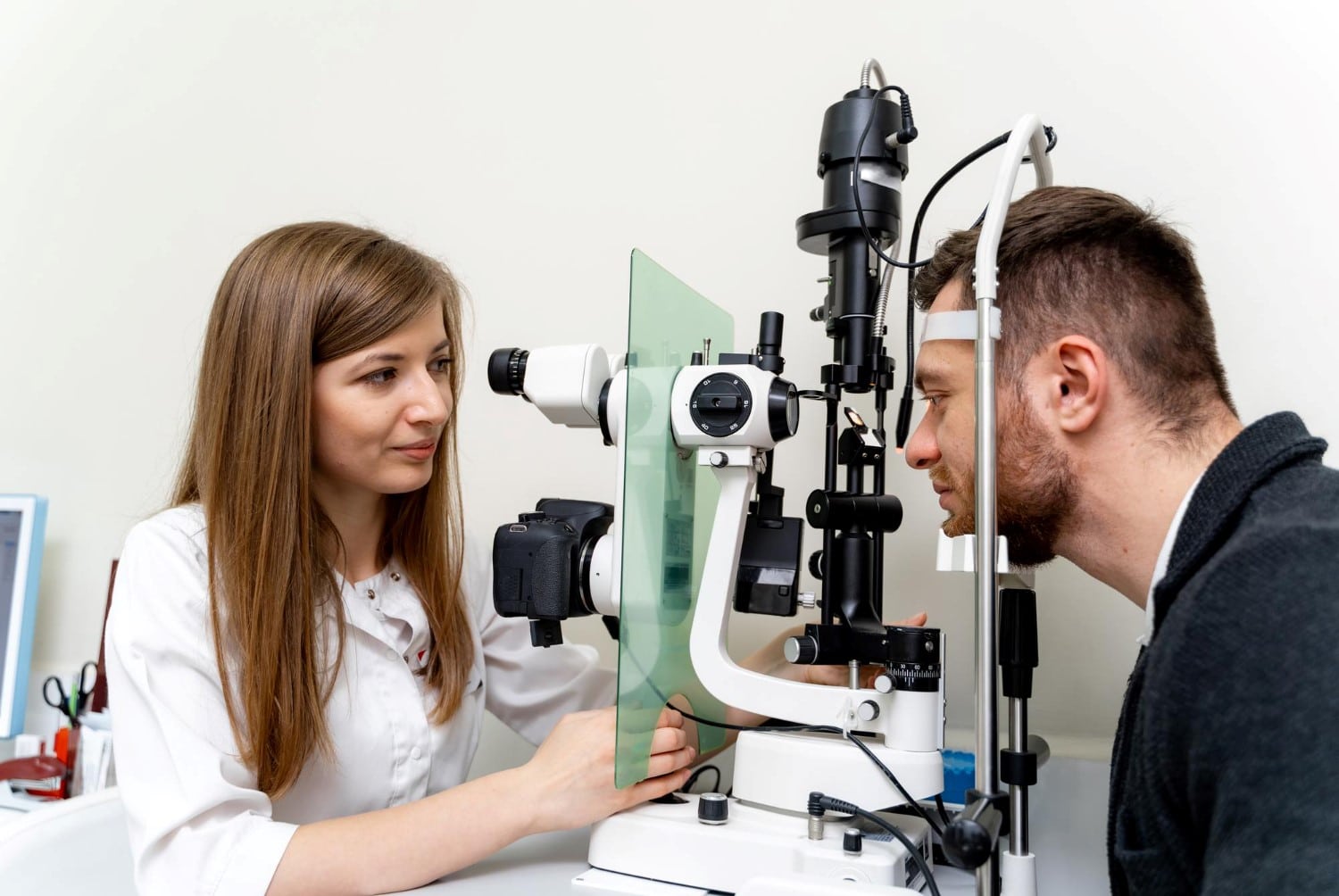
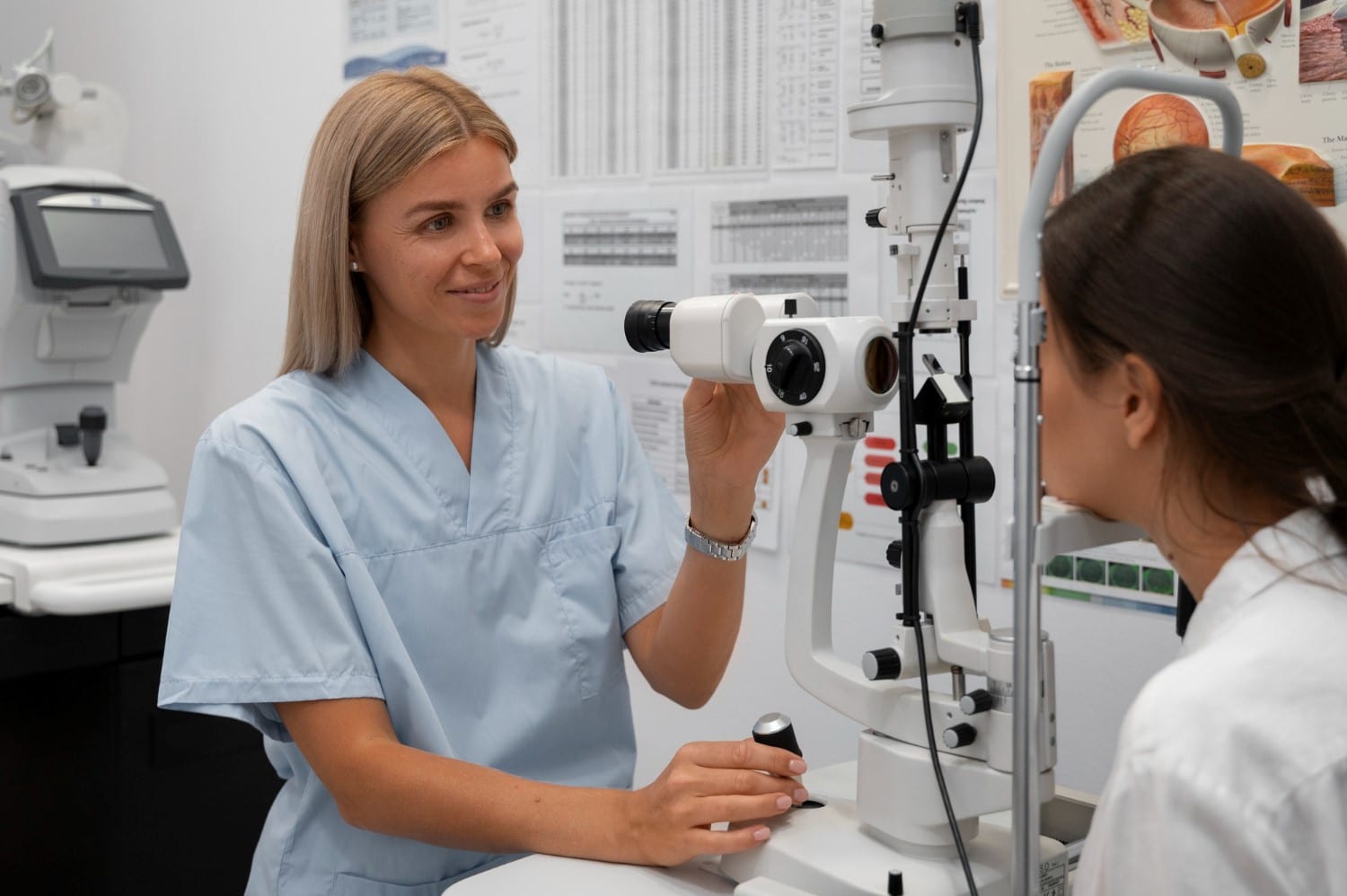
Assessment includes refraction, slit-lamp examination and corneal topography or tomography. Tomography evaluates the anterior and posterior surfaces and the corneal thickness profile.
Cross-linking under 18
Because younger patients carry a high risk of progression, Dr. Barbara’s clinical approach is to recommend CXL at diagnosis in patients under 18 once the diagnosis and medical suitability have been confirmed. Each eye is assessed separately.
CXL is intended to stabilize the cornea. Spectacles and contact lenses can improve vision, but they do not stop progression.
Allergy and eye rubbing
Persistent itching should be evaluated and treated. Reducing eye rubbing is an important practical part of care, but it does not replace structured follow-up or CXL when required.
Professional sources
General information only; it does not replace examination.